I’m just going to say it: we need to stop giving teenagers reading books that were designed for Reception and Year 1 children.
Now before anyone comes for me, this isn’t a criticism of those books. There are some fantastic early reading resources out there, and they absolutely have their place. The issue isn’t the quality of the books. The issue is who we’re giving them to.
Every day, schools across the country are working incredibly hard to support learners who are behind with reading. Staff are investing time, energy and resources into intervention programmes because they genuinely want to help young people succeed. Yet despite all of that effort, we still see older learners disengaging from reading support.
I don’t think it’s always because they don’t want to learn.
Sometimes, it’s because we’ve unintentionally forgotten what it feels like to be a teenager.
Imagine being fourteen years old. You’re already aware that reading doesn’t come as easily to you as it does to some of your peers. You know you’re being taken out of lessons for intervention. You know you’re behind. Then someone places a book in front of you that looks like it belongs in an infant classroom.
It doesn’t matter how effective the intervention is if the learner is too embarrassed to engage with it.
One of the biggest misconceptions in literacy intervention is that if a pupil has a reading age of six or seven, they should be given resources designed for six or seven-year-olds. But a reading age isn’t the same as an actual age. A fourteen-year-old is still a fourteen-year-old. They still have teenage interests, teenage experiences and teenage concerns. They still want to feel respected by their peers and by the adults around them.
The reality is that many older struggling readers are carrying years of frustration. Some have spent most of their school life feeling as though they are failing. Some have become masters at avoiding reading altogether because it protects them from feeling exposed. When we hand them resources that look babyish, we can unintentionally reinforce those feelings rather than reduce them.
This is why dignity matters so much in reading intervention.
In education, we talk a lot about engagement, motivation and confidence. Yet sometimes we overlook the simple fact that young people are far more likely to engage with something that feels relevant to them. If a learner opens a book and immediately thinks, “This is for little kids,” we’ve already created a barrier before they’ve read a single word.
Supporting struggling readers shouldn’t mean asking them to sacrifice their dignity in order to access help.
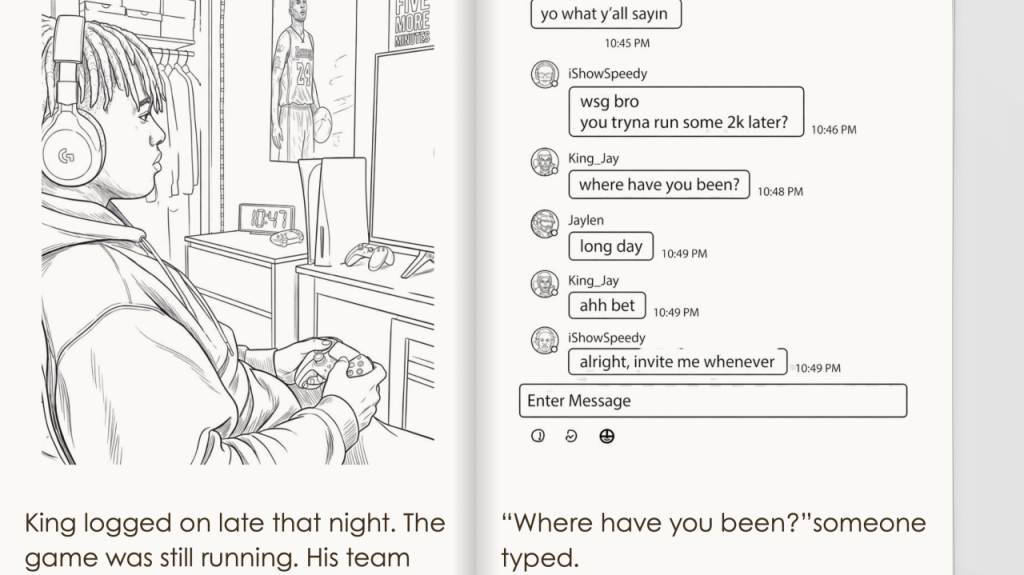
In fact, I would argue that the most effective interventions are the ones that combine structured, evidence-informed teaching with age-appropriate content. Young people need support that meets them where they are academically, while still respecting who they are socially and emotionally.
This belief sits at the heart of everything we do at Read Revive. Not because we wanted to create another phonics programme, but because we saw too many older learners being forced to choose between getting the support they needed and preserving their self-esteem.
Surely we can do better than that.
Surely we can recognise that a pupil can be working on early reading skills whilst still deserving resources that reflect their age, interests and aspirations.
Because struggling with reading doesn’t make someone younger.
And the resources we put in front of them shouldn’t make them feel that way either.
I’d love to hear your thoughts. Should age-appropriate content be considered a non-negotiable when supporting older struggling readers?